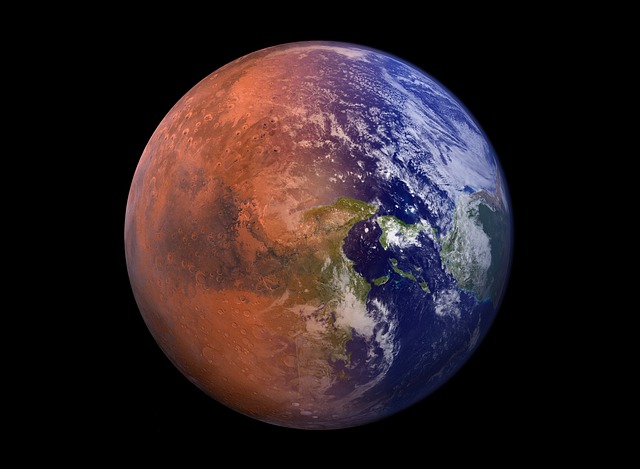
Mars: The Harsh Reality
Mars may look like a rugged sibling to Earth, but the environment is brutally unwelcoming. Its atmosphere is paper thin about 1% the density of Earth’s. This means almost no protection from cosmic radiation and solar storms. Temperatures swing wildly, often dropping well below 80°F. Step outside without protection, and it’s lights out in seconds.
Radiation levels on Mars are about 300 times higher than what we deal with daily on Earth. Without a magnetic field or thick atmosphere to act as a shield, humans would be constantly exposed. Long term, this isn’t just a sunburn risk it’s a cancer risk.
Gravity is also a problem. Mars pulls at you with only 38% of Earth’s force. Good for lifting heavy things, terrible for your muscles and bones. We’ve seen what microgravity does to astronauts after just months in orbit muscle atrophy, bone loss, and cardiovascular stress. On Mars, even with some gravity, those effects still count. We’ll need countermeasures like serious exercise protocols and maybe even gravity enhancing tech down the line.
Add to all of that: no oxygen to breathe and no liquid water on the surface. While there’s frozen water underground and in the poles, it’s locked up and hard to access. Meanwhile, you’ll be breathing recycled air inside cramped pressurized habitats.
Bottom line: Mars isn’t a second Earth it’s a survival test.
Key Survival Requirements
Establishing a human presence on Mars isn’t just about landing it’s about long term survival. That means designing infrastructure that can withstand the planet’s hostile conditions while sustaining human life for months or even years at a time. Here’s what will be necessary to survive on the Red Planet:
Protective, Pressurized Habitats
Mars doesn’t have the thick atmosphere or magnetic shield that protects Earth from deadly radiation and pressure loss. Any habitat must mitigate these risks by being fully pressurized and well insulated.
Must shield from cosmic radiation and solar flares
Designed to maintain Earth like air pressure
Often buried or reinforced with Martian soil (regolith) for extra protection
Life Support Systems: Closed Loop Essentials
To support long term habitation, Martian habitats need robust, sustainable life support systems. These systems must create a self sustaining loop to minimize resupply needs from Earth.
Oxygen: Generated using electrolysis or chemical breakdown of Martian resources
Food: Grown locally in biomes using hydroponics or regolith based agriculture
Water: Filtered and recycled through advanced purification systems
Energy Beyond Solar
Although Mars receives sunlight, its frequent and planet wide dust storms can block solar panels for weeks at a time. For true independence, Martian colonies must diversify their energy sources.
Solar power as a baseline, effective during clear periods
Nuclear power for consistent and reliable energy during storms
Advanced storage systems to hold excess power during high production phases
Dive Deeper
Building a sustainable Martian outpost requires combining innovative engineering with real world problem solving. For a deeper exploration of habitat design, life support, and energy resilience, see Mars colonization essentials.
How Science Is Meeting the Challenge
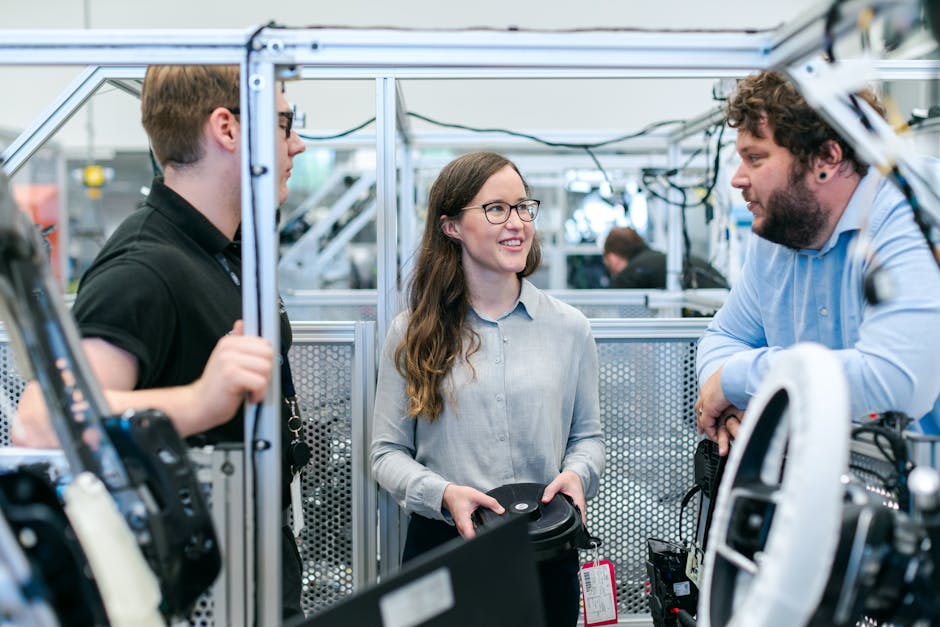
Turning Mars from a red wasteland into something livable means designing systems that survive where nothing naturally does. Scientists have started by figuring out if we can grow food in Martian dirt or at least something close. Using regolith simulants (Earth made substances that mimic Mars soil), researchers have managed to sprout lettuce, radishes, and peas. The key is supplementing the nutrient poor regolith with compost or tailored fertilizers and keeping it free of toxic perchlorates. No one’s thriving yet, but it’s a start.
Closed loop life support systems are another priority. These are tightly controlled ecosystems, honed on the ISS, that recycle air, water, and waste. On Mars, where resupply is a nightmare, full recycling isn’t optional. Research is pushing toward systems that reuse over 90% of everything, powered by minimal energy.
Radiation exposure on Mars is a deal breaker if not handled. The thin atmosphere offers little protection. To fix this, engineers are looking underground: lava tubes and regolith covered shelters could serve as natural radiation bunkers. Others are 3D printing bricks from Martian soil simulants to build shielding above ground. None of it’s off the shelf, but it’s moving fast.
And then there’s energy. Dust storms can knock out solar for weeks, so redundancy is key. Compact nuclear reactors like NASA’s Kilopower project offer a stable, long term solution. Solar’s not off the table, but backup systems are a must. Scientists are also exploring fuel cells and even wind turbines adapted for the thin atmosphere, though those are still in testing.
The tools and systems we’re building today won’t just work they’ll have to work together. Mars doesn’t forgive design flaws.
Recent Tech Breakthroughs
The march toward Mars has picked up pace in the lab and the launchpad. New propulsion systems like nuclear thermal and ion based engines are slashing interplanetary travel times. No, we’re not at warp speed, but missions that once took nine months might soon take half that, with fewer risks to crew health from deep space exposure.
Once on the surface, humans won’t be the first to put things together. Autonomous robots are being designed to handle early phase construction and ongoing repairs. These bots aren’t theoretical they’re being tested now in analog Martian setups, handling tasks like habitat assembly, solar array maintenance, and cargo distribution. Think of it as Roombas with welders and terrain treads.
Meanwhile, compact nuclear reactors have moved from drawing boards to prototypes. Solar energy is great until a Martian dust storm rolls in for weeks. These reactors provide steady, portable power and are sized for transport and off Earth deployment.
These aren’t just upgrades. They’re hinges for the entire mission timeline. Without them, long term survival on Mars stays science fiction. For more on the tech connecting launchpads to landing zones, check out Explore space tech advances enabling Mars missions.
Conclusion: Moving from Dream to Plan
Mars is within reach, but not within comfort. Science has laid the groundwork habitat tech, resource recycling, radiation protection but execution takes more than blueprints. The first human footprints on the Red Planet won’t be left by tourists or visionaries. They’ll be made by systems engineers, botanists, medical officers, and mechanics people who can fix a broken CO2 scrubber with pliers and insulation tape.
Survival on Mars isn’t just about keeping warm and breathing clean air. It’s about building civilization from scratch in a place where nature offers zero backup. Earth is a safety net. Mars is a proving ground. That means pushing beyond exploration toward permanence. Long term habitation will require grit, precision, and teamwork under pressure.
Importantly, Mars isn’t a plan B. It’s not a lifeboat for a dying Earth. It’s a forward base for a species learning to live across worlds. Colonizing Mars won’t be easy. But nothing worth doing ever is.
 Paulina Evansonic is a visionary journalist and media entrepreneur who founded Whisper Wagon Wire, a leading platform renowned for its exclusive insights into top stories, world news, science, technology, and home trends. With a passion for uncovering the truth and a keen eye for detail, Paulina has dedicated her career to providing readers with in-depth, accurate, and engaging content.
Paulina's journey in the media industry began with a strong academic background in journalism and communication. Her early career was marked by her work as a reporter and editor for various prestigious publications, where she honed her skills and developed a reputation for her investigative prowess and commitment to quality reporting.
Driven by a desire to create a more holistic and accessible news source, Paulina launched Whisper Wagon Wire. Under her leadership, the platform has grown to become a trusted name in journalism, known for its balanced reporting and insightful analysis. Paulina's innovative approach has not only elevated the standards of news media but also inspired a new generation of journalists to pursue excellence in their work.
Through Whisper Wagon Wire, Paulina continues to influence the media landscape, ensuring that readers stay informed about the most important developments around the world. Her dedication to truth and transparency remains at the core of her mission, making her a respected and influential figure in the field of journalism.
Paulina Evansonic is a visionary journalist and media entrepreneur who founded Whisper Wagon Wire, a leading platform renowned for its exclusive insights into top stories, world news, science, technology, and home trends. With a passion for uncovering the truth and a keen eye for detail, Paulina has dedicated her career to providing readers with in-depth, accurate, and engaging content.
Paulina's journey in the media industry began with a strong academic background in journalism and communication. Her early career was marked by her work as a reporter and editor for various prestigious publications, where she honed her skills and developed a reputation for her investigative prowess and commitment to quality reporting.
Driven by a desire to create a more holistic and accessible news source, Paulina launched Whisper Wagon Wire. Under her leadership, the platform has grown to become a trusted name in journalism, known for its balanced reporting and insightful analysis. Paulina's innovative approach has not only elevated the standards of news media but also inspired a new generation of journalists to pursue excellence in their work.
Through Whisper Wagon Wire, Paulina continues to influence the media landscape, ensuring that readers stay informed about the most important developments around the world. Her dedication to truth and transparency remains at the core of her mission, making her a respected and influential figure in the field of journalism.