As we outlined in our post Why Sustainability is No Longer Optional, sustainable building isn’t just a buzzword anymore—it’s an expectation. Across the globe, homeowners, developers, and architects are demanding materials and construction methods that align with eco-conscious values. In response, the architecture and design industries are shifting toward greener, smarter, and more energy-efficient solutions—and curved glass is quickly becoming a standout trend in this transformation.
With the Curved Glass Market projected to reach $4.27 billion by 2025, growing at a compound annual growth rate (CAGR) of 8.19%, it’s clear that this material is more than just a design feature. The demand is being driven by the convergence of architectural aesthetics, advanced mobility, and consumer electronics, all seeking seamless, high-performance materials. For modern sustainable buildings, curved glass doesn’t just elevate appearance—it actively contributes to energy performance and environmental impact.
Sustainability in the Making: How Curved Glass Is Crafted Responsibly
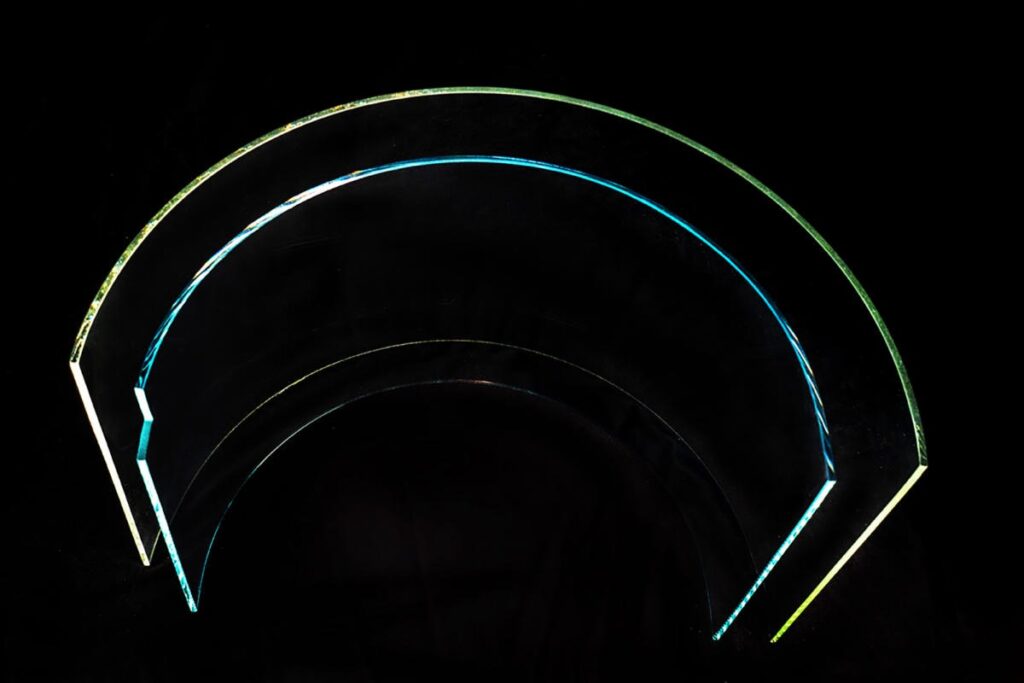
The sustainable benefits of curved glass begin at the production level. Unlike mass-produced flat panes, curved glass is formed through a meticulous, energy-conscious process. The process is explained by the artisans at Flickinger Glassworks, who create curved glass windows, lights, and handcrafted items. The transformation begins by heating flat glass until it becomes pliable, then carefully shaping it over a mold to achieve the desired curve. Once the glass has taken its form, artisans delicately remove it from the mold, taking care to preserve both its shape and structural integrity. Each piece is meticulously inspected, and any imperfections are expertly corrected—a testament to craftsmanship that prioritizes quality over quantity. This attention to detail ensures minimal waste, longer product lifespan, and superior thermal performance, making curved glass an inherently sustainable option in modern architecture.
Why Curved Glass Enhances Energy Efficiency in Buildings
In sustainable architecture, every design element should do more than look good—it should also optimize energy use, enhance occupant comfort, and reduce environmental impact. Curved glass ticks all these boxes. Here are four key ways it improves energy efficiency in modern buildings:
1. Enhanced Natural Light and Airflow Distribution
Curved glass isn’t just an aesthetic choice—it plays a direct role in optimizing natural light and ventilation. Because of its seamless, flowing shape, curved glass allows sunlight to penetrate deeper into interior spaces without the harsh glares that flat panes often cause. This can reduce reliance on artificial lighting during the day, lowering energy consumption.
Additionally, in architectural applications like atriums, façades, or skylights, curved glazing can be oriented to enhance passive ventilation, promoting natural airflow throughout the building. This reduces the demand on HVAC systems, especially in moderate climates where passive cooling strategies are viable.
2. Reduction in Thermal Bridging
One of the lesser-known advantages of curved glass is its ability to minimize thermal bridging—a common issue in flat-panel construction where gaps or seams between panes allow heat to transfer between interior and exterior environments.
With curved glass, architects can design with fewer breaks in the building envelope. The continuous surface of curved glazing reduces the number of joints and framing systems required, enhancing insulation performance and maintaining a more stable indoor temperature. This results in lower heating and cooling costs, as well as improved thermal comfort for occupants.
3. Integration of Double/Triple Glazing and High-Performance Coatings
Modern curved glass can be manufactured with double or triple glazing, incorporating low-emissivity (Low-E) coatings and argon gas insulation layers—all standard features in high-performance energy-efficient glazing.
These advanced glazing configurations help to:
• Reduce heat transfer
• Limit UV radiation
• Maintain consistent indoor temperatures
• Reduce glare while maximizing daylight
When combined with the aerodynamic form of curved glass, these features enable buildings to meet and exceed green building certification standards like LEED or BREEAM.
4. Smart Glass Technology Integration
A post on Technological Advancements and Innovations in Curved Glass details how a major innovation in the curved glass market is the integration of smart glass technology. These materials can switch between transparent and opaque states, providing dynamic control over light and heat transmission.
Smart curved glass is a game-changer in sustainable design because it:
• Reduces solar gain in hot climates
• Maintains privacy without the need for blinds or curtains
• Adapts to changing daylight conditions automatically
• Supports zoned energy use in multi-occupancy buildings
As energy-saving features become more essential in both residential and commercial spaces, smart curved glass is gaining traction as a must-have feature in future-forward architecture.
Case Studies: Sustainable Buildings That Use Curved Glass
A growing number of LEED- and BREEAM-certified buildings are embracing curved glass to meet sustainability targets without sacrificing design excellence.
• The Eden Project (UK) features organically shaped biomes made from curved, energy-efficient panels that optimize light capture and internal climate control.
• Apple Park (USA) uses custom-curved glass panels throughout its campus, leveraging natural lighting and advanced glazing to reduce energy usage across its massive footprint.
• The Elbphilharmonie (Germany) combines curved glass with acoustic and thermal optimization, showcasing how form and function can co-exist beautifully in sustainable design.
Conclusion: Curved Glass as a Core Component of Green Architecture
As green building standards continue to rise, architects and designers must seek materials that meet both aesthetic and performance demands. Curved glass stands out not just for its visual elegance but for its capacity to support energy efficiency, indoor comfort, and long-term sustainability.
From natural light optimization to smart thermal regulation, curved glass is proving that beautiful buildings can also be high-performance, eco-conscious spaces. As technology continues to advance and demand grows, curved glass will likely play an increasingly important role in the sustainable skylines of tomorrow. For more design ideas, visit the rest of MIP Improv.